
Kya and Chase’s Violence
Where the Crawdads SingTheir relationship shifts from guarded courtship to betrayal and assault, leaving Kya to defend herself while the town scrutinizes her choices.
increasing Bearing strength in each event
 decreasing
Bearing strength in each eventdecreasingA Tentative Courtship
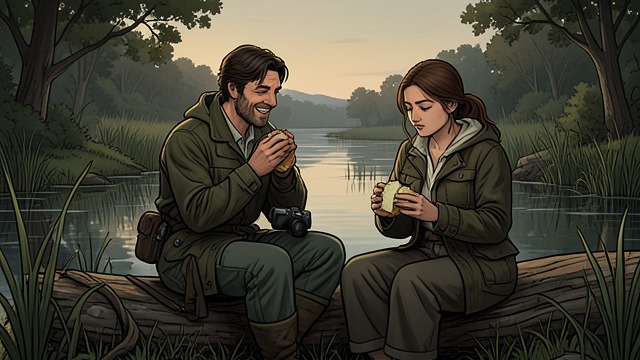
A Chance at Company
Learning Each Other
Chase invites Kya on a picnic and spends time with her in the marsh. She hopes that his attention may ease the loneliness she has carried since childhood.
Unequal Knowledge
Kya understands the marsh deeply but has little experience with courtship. Chase’s greater social confidence lets him set the terms of their meetings.
A Private Future Offered
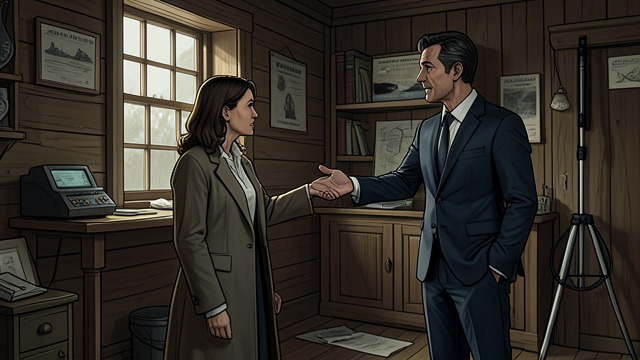
Marriage as Promise
A House Near the Marsh
Chase describes a future home and studio for Kya. She believes the proposal may mean she will belong to a family and no longer have to survive alone.
Continued Secrecy
He still keeps her apart from his parents and social circle. The gap between his words and his public behavior grows but remains difficult for Kya to confront.
The Engagement Revealed
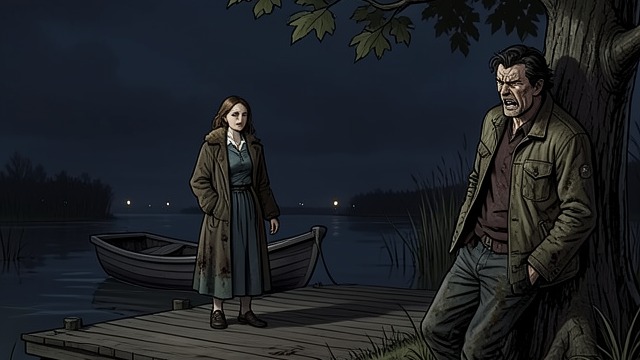
Betrayal in Public
An Announcement
Kya discovers Chase’s engagement to Pearl Stone in a newspaper. The public announcement contradicts his private talk of marriage to Kya.
Anger and Grief
She avoids his attempts to find her and takes her boat into dangerous currents. The betrayal reopens older wounds of being left without explanation.
The Assault

A Refusal Ignored
Chase Grabs Her
At Cypress Cove, Chase insists that Kya belongs to him and tries to force sex after she tells him to stop. She fights, strikes him, and escapes.
Fear Replaces Courtship
Kya expects that the town will believe Chase rather than her. She hides her injuries and avoids seeking help, turning the aftermath into a dangerous private burden.
Anger Recast as Motive
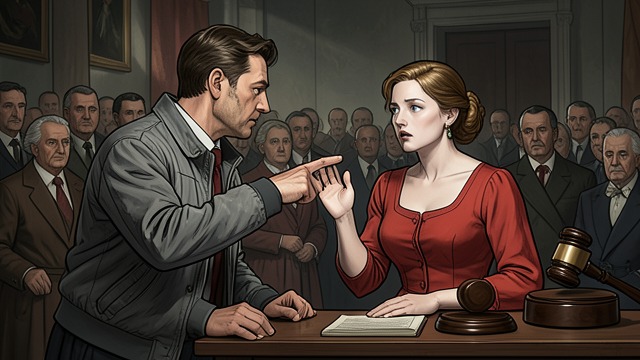
Private Violence in Public
A Witness’s Account
Rodney Horn describes seeing Kya attack Chase, while the prosecution emphasizes her angry threat. The testimony risks making self-defense appear to be proof of murder.
The Missing Context
The jury hears that Horn did not see the start of the confrontation and agrees it may have been self-defense. The case exposes how easily a woman’s defense can be recast as guilt.
1965
Winter 1966
March 1967
August 30, 1969
1970 trial
